

Everyday Care (Do this daily or before/after use)
-
Check the area around the compressor.
Keep it in a dry place with good airflow.
Never leave it in direct sun, rain, or wind. This stops parts inside from rusting.
Keep the space clean. Dust can block air and make it overheat. -
Clean and check the machine.
Wipe the outside with a dry cloth. Don’t spray it with water.
Look at the air filter every day. Clean it if it’s dirty. Blow dust out from the inside or change it when needed.
Make sure all pipes, bolts, and wires are tight. Check this often.
See that the grounding wire is connected tight. This keeps you safe. -
Use it the right way.
Never push it too hard. Don’t run it above its pressure limit or overload it.
Start and stop it gently, like the manual says.
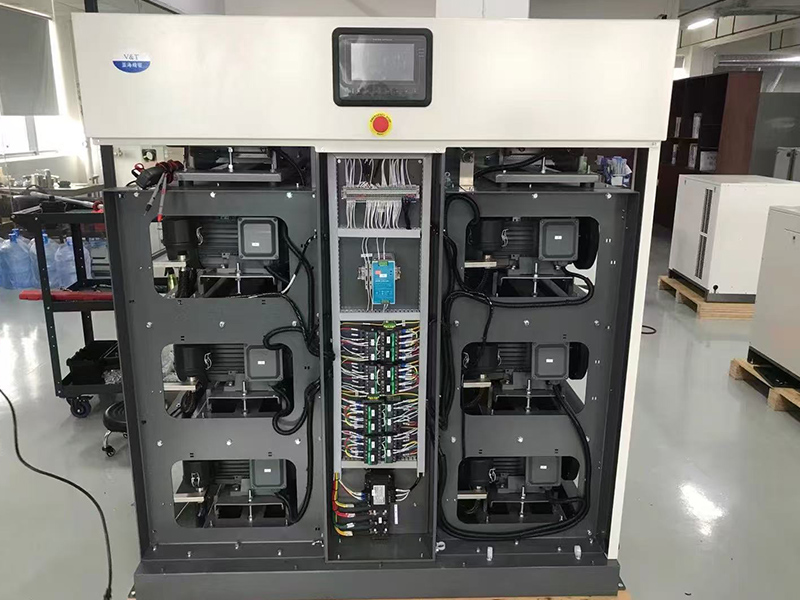
Regular Checkups (Do this weekly/monthly/as the manual says)
-
Replace important parts:
Change the air filter on time, even if it looks clean. A dirty filter wastes energy.
Change other filters (like air treatment filters) when the manual tells you.
Some parts still need grease. Add the right grease to motor bearings or fan bearings when needed. Remember: this is different from oil compressors. -
Look for problems:
Listen and look for air leaks in pipes, joints, valves, or tanks. Soapy water helps find leaks. Fix leaks right away.
Check the motor. Listen for strange sounds or shaking. Feel if it gets too hot.
Check the air air compressor itself for noise or shaking.
Make sure the cooling fan works and its blades are clean.
Keep the cooling fins clean so it doesn’t overheat.
Clean the inside air pipes sometimes. Turn it off and release air pressure first!
If your compressor has an oil separator, check it like the manual says. (This catches tiny bits of oil, not from the pump itself).
Care in Damp Places
-
Keep the compressor extra dry and breezy if you use it where it’s wet (like near the sea, in rain, or basements). A dehumidifier might help.
-
Pay extra attention to electrical parts. Check wires and controls for dampness or rust. Cover it when off, but let air flow.
-
Check and clean the air filter more often in wet places. Drain any water from pipes if your machine has that feature.
Important Safety Rules
-
Never run the compressor in bad spots:
Don’t use it in wet, dark, dusty places, or near fuels, gases, or things that can explode. This is very dangerous. -
Be safe with electricity:
Don’t touch the compressor and something grounded (like a pipe, radiator, or fridge) at the same time. If the compressor leaks electricity, you could get shocked.
Always keep the grounding wire connected well. -
Use it correctly:
Always follow the instruction book.
Set the pressure and other controls right. Never go above the machine's limits. Going too high breaks it fast.
If it sounds wrong, shakes, smells funny, or gets very hot, turn it off. Check what’s wrong.
Remember:
Taking care of your oilless air compressor before it breaks is best. Doing these everyday, regular, and special checks keeps it working well, lasts longer, and keeps everyone safe. Always check the maker’s own manual for your exact model.