

Gantry cranes and bridge cranes are heavy-duty construction machinery, which require smooth operation when lifting and lowering heavy objects, large starting torque and no hook slipping. Therefore, when selecting the variable frequency drive, you must expand the power level of the motor to select it (for example, if the motor is 37kW, the vfd should be a 45kW heavy-duty inverter).
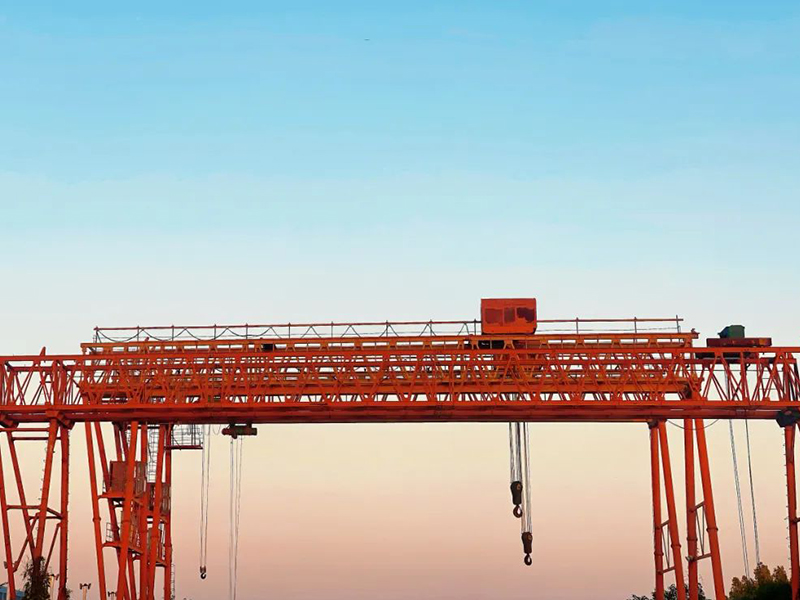
Especially when a inverter is used with multiple motors, a inverter is used with four 6-pole 7.5kW 17A motors. The current of the ac drive selected in ordinary occasions should be greater than the sum of the rated currents of the four motors, but the power of the inverter selected in hoisting applications should be expanded by one power level on the basis of this power.Because in hoisting applications, the inverter controls the motor to run at the set brake release frequency (FDT level), and the brake system will be released. If the upper and lower frequency limits of the FDT level are not set reasonably, then after the inverter is started, the brake will be in an overload current limiting state before it is released. At this time, if the brake is released, it may cause a hook slipping fault. Similarly, similar problems are also prone to occur when lowering goods. Therefore, it is recommended that in lifting applications, the inverter should be selected with a larger power level.
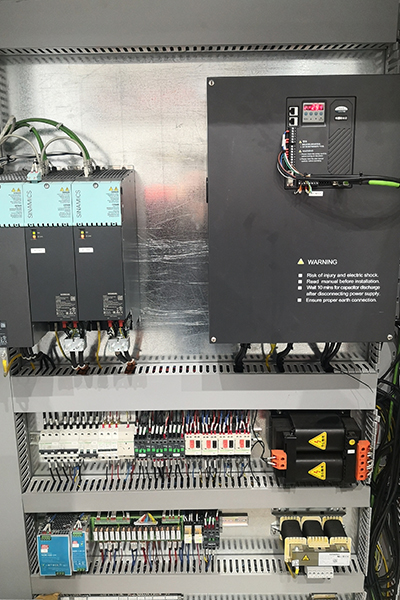
In addition, when the suspension bridge is lowering heavy objects, the motor is always in the power generation state, and the power generated by the motor is fed back to the inverter through the cable, which increases the DC bus voltage of the frequency converter. Therefore, the selection of the brake unit and brake resistor is also very important. The brake resistor must be able to consume all the excess power generated by the motor, otherwise the inverter is prone to overvoltage protection or module protection, which will make the equipment unable to operate normally.